
The First Step to Buying a Home Starts Here
Work with a loan officer who prioritizes clarity, communication, and a strategy built around your goals, not just the transaction.
GET PRE-QUALIFIED
LOAN OPTIONS
The First Step to Buying a Home Starts Here
Work with a loan officer who prioritizes clarity, communication, and a strategy built around your goals, not just the transaction.
GET PRE-QUALIFIED
LOAN OPTIONS
about me

If you’re looking for a trusted loan officer in Central Oregon, you’re in the right place.
I’m Trudy Kelly, a dedicated mortgage professional serving homebuyers across Bend, Redmond, Sunriver, Prineville, and surrounding Central Oregon communities. My goal is simple: make the home loan process feel clear, strategic, and fully tailored to you.
Buying a home is one of the biggest financial decisions you’ll make—and having the right mortgage lender in Central Oregon can make all the difference.
I specialize in helping clients:
- Navigate home loans in Oregon with confidence
- Understand their mortgage options (conventional, FHA, VA, jumbo, and more)
- Build a smart financing strategy based on their goals
- Move through the process smoothly with no surprises
Whether you’re a first-time homebuyer in Central Oregon, relocating to the area, or planning your next move, I’ll guide you every step of the way—from pre-approval to closing.
My approach is proactive and transparent. I break down the numbers, communicate clearly, and stay ahead of every detail so you can focus on finding the right home—not stressing about the financing.
Serving Oregon, Idaho & Washington
While I’m based in Central Oregon, I’m also licensed to help clients with home loans in Idaho and Washington, providing the same level of service and expertise across all three states.
loan programs
Conventional Loans
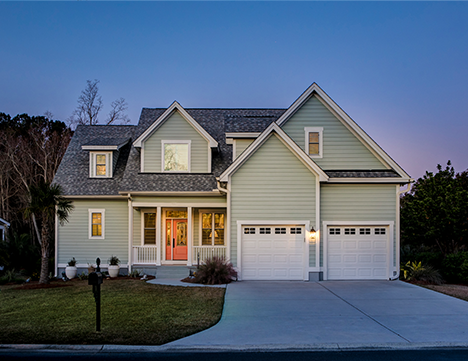
Conventional loans are not backed by the government and are one of the most popular loan options for qualified buyers. They offer flexible terms and can be used for primary residences, second homes, and some investment properties.
Read More
Key Features
– Down payments as low as 3% for first-time buyers
– Competitive fixed and adjustable rates
– No upfront government insurance fees
– Option to remove PMI once you reach 20% equity
Eligibility & Guidelines
– Credit score typically 620 or higher
– Debt-to-income ratio up to 45%
– Available for primary residences, second homes, or investment properties
Ideal For
– Borrowers with good credit and stable income
– Homebuyers looking for flexibility and low long-term costs
– Homeowners refinancing for better terms
FHA Loans

Read More
Key Features
– Down payments as low as 3.5%
– Credit scores as low as 580 may qualify
– Competitive fixed rates
– Assumable loans for easier resale
Eligibility & Guidelines
– Must occupy the home as a primary residence
– FHA-approved appraisal and property standards required
– Upfront and monthly mortgage insurance apply
Ideal For
– First-time homebuyers
– Borrowers with limited credit history or smaller savings
– Families looking for affordable entry into homeownership
USDA Loans

Overview
USDA loans offer zero-down financing for homes in eligible rural and suburban areas, helping families enjoy affordable homeownership outside major city limits.
Read More
Key Features
– 100% financing (no down payment)
– Competitive fixed interest rates
– Low mortgage insurance costs
– Flexible credit requirements
Eligibility & Guidelines
– Property must be in a USDA-eligible area
– Income limits apply based on household size
– Primary residence only
Ideal For
– Buyers seeking affordable homeownership in rural or suburban areas
– First-time buyers who meet income and location criteria
Read More
Key Features
– Down payments as low as 3% for first-time buyers
– Competitive fixed and adjustable rates
– No upfront government insurance fees
– Option to remove PMI once you reach 20% equity
Eligibility & Guidelines
– Credit score typically 620 or higher
– Debt-to-income ratio up to 45%
– Available for primary residences, second homes, or investment properties
Ideal For
– Borrowers with good credit and stable income
– Homebuyers looking for flexibility and low long-term costs
– Homeowners refinancing for better terms
Read More
Key Features
– Down payments as low as 3.5%
– Credit scores as low as 580 may qualify
– Competitive fixed rates
– Assumable loans for easier resale
Eligibility & Guidelines
– Must occupy the home as a primary residence
– FHA-approved appraisal and property standards required
– Upfront and monthly mortgage insurance apply
Ideal For
– First-time homebuyers
– Borrowers with limited credit history or smaller savings
– Families looking for affordable entry into homeownership
Read More
Key Features
– 100% financing (no down payment)
– Competitive fixed interest rates
– Low mortgage insurance costs
– Flexible credit requirements
Eligibility & Guidelines
– Property must be in a USDA-eligible area
– Income limits apply based on household size
– Primary residence only
Ideal For
– Buyers seeking affordable homeownership in rural or suburban areas
– First-time buyers who meet income and location criteria
Jumbo Loans
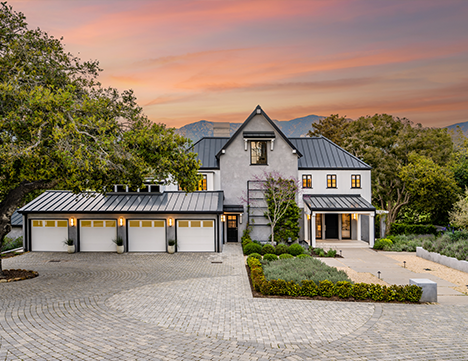
When your dream home requires financing beyond conforming loan limits, Jumbo Loans provide the solution. We offer tailored jumbo financing to help you move forward with confidence.
Read More
Key Features
– Loan amounts exceeding conforming limits
– Competitive interest rates
– Flexible terms and structures
– Options for primary residences, vacation homes, and investment properties
Eligibility & Guidelines
– Strong credit and income required
– Larger down payment often needed (typically 10–20%)
– Appraisal and reserve requirements apply
Ideal For
– Buyers purchasing high-value homes
– Borrowers with complex financial portfolios
VA Loans

VA loans are designed for veterans, active-duty service members, and eligible surviving spouses. With zero down payment and no monthly mortgage insurance, they’re one of the best paths to homeownership for those who’ve served our country.
Read More
Key Features
– 0% down payment
– No private mortgage insurance (PMI)
– Competitive interest rates
– Flexible credit and debt guidelines
Eligibility & Guidelines
– Must have a valid Certificate of Eligibility (COE)
– Must occupy the home as a primary residence
Ideal For
– Veterans and active-duty service members
– Eligible surviving spouses
– Buyers seeking affordable, no-down-payment options
DSCR Loans
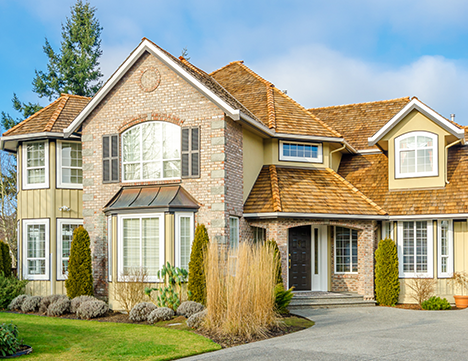
Debt Service Coverage Ratio (DSCR) loans are designed for real estate investors who prefer to qualify based on rental income instead of personal income. It’s a flexible path for growing your investment portfolio.
Read More
Key Features
– Qualification based on property cash flow
– No tax returns or personal income documentation required
– Suitable for short-term or long-term rentals
– 30-year fixed or adjustable terms available
Eligibility & Guidelines
– Minimum DSCR typically 1.0 or higher
– Down payments around 20–25%
– Minimum credit score around 660
Ideal For
– Investors seeking simpler qualification
– Buyers expanding rental portfolios
Read More
Key Features
– Loan amounts exceeding conforming limits
– Competitive interest rates
– Flexible terms and structures
– Options for primary residences, vacation homes, and investment properties
Eligibility & Guidelines
– Strong credit and income required
– Larger down payment often needed (typically 10–20%)
– Appraisal and reserve requirements apply
Ideal For
– Buyers purchasing high-value homes
– Borrowers with complex financial portfolios
Read More
Key Features
– 0% down payment
– No private mortgage insurance (PMI)
– Competitive interest rates
– Flexible credit and debt guidelines
Eligibility & Guidelines
– Must have a valid Certificate of Eligibility (COE)
– Must occupy the home as a primary residence
Ideal For
– Veterans and active-duty service members
– Eligible surviving spouses
– Buyers seeking affordable, no-down-payment options
Read More
Key Features
– Qualification based on property cash flow
– No tax returns or personal income documentation required
– Suitable for short-term or long-term rentals
– 30-year fixed or adjustable terms available
Eligibility & Guidelines
– Minimum DSCR typically 1.0 or higher
– Down payments around 20–25%
– Minimum credit score around 660
Ideal For
– Investors seeking simpler qualification
– Buyers expanding rental portfolios
100% Financing
Read More
Key Features
– Buyers with strong income but limited savings
– First-time homebuyers
– Certain eligible borrowers
Key Benefits:
– No down payment required
– Reduced upfront costs
– Competitive loan terms
Renovation Loans

Read More
Key Features
– One loan, one closing
– Low down payment options
– Finance cosmetic or structural renovations
– Available for FHA (203k) or Conventional (HomeStyle) borrowers
Eligibility & Guidelines
– Minimum credit score typically 620+
– Licensed contractors required for all work
– Home must be primary residence for FHA; flexible for Conventional
Ideal For
– Buyers purchasing homes needing updates
– Current homeowners refinancing to renovate
One Time Close
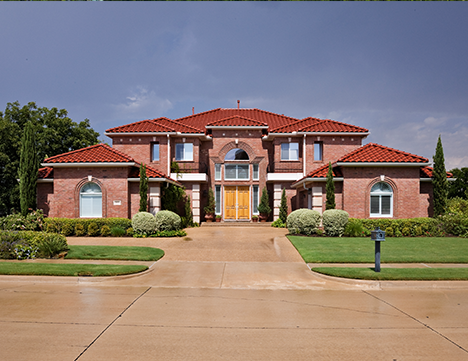
Read More
Key Features
· One-Time Close Option – Combines your construction and permanent mortgage into one convenient loan with a single closing.
· Two-Time Close Option – Provides separate loans for construction and permanent financing, giving you more control over final terms and rates.
· Interest-Only Payments During Construction – Pay only for the funds drawn during your build.
· Flexible Program Options – Available for FHA, VA, Conventional, and Jumbo loans.
· Local Montana Expertise – Our team understands local markets, builders, and property types throughout Montana.
One-Time Close vs. Two-Time Close
|
Feature
|
One-Time Close
|
Two-Time Close
|
|---|---|---|
|
Closings
|
One combined closing for construction and permanent financing
|
Two separate closings for added flexibility
|
|
Interest Payments
|
Interest-only during construction
|
Interest-only during construction
|
|
Rate Lock
|
Lock your rate before construction begins
|
Choose a new rate when converting to the permanent loan
|
|
Simplicity
|
One approval, one set of closing costs
|
Flexibility to requalify and adjust loan terms
|
|
Ideal For
|
Borrowers seeking convenience and predictability
|
Borrowers wanting flexibility and control
|
Eligibility & Guidelines
· Available for primary residences, second homes, and select investment properties
· Must use a licensed and approved builder (self-builds may require additional review).
· Minimum down payment and credit score requirements vary by loan program.
· Property must meet appraisal and construction standards.
· Construction periods typically last up to 12 months.
Ideal For
· Borrowers planning to build a custom home.
· Homeowners looking for a simple or flexible financing structure.
· Buyers who want to lock in their rate early or customize loan terms after construction.
Why StonePath Mortgage
At StonePath Mortgage, we’re proud to serve communities with the personal touch of a local lender and the resources of a trusted mortgage partner. Our construction lending specialists provide clear communication, hands-on guidance, and dependable support from blueprint to move-in day—so you can focus on building the home you’ve always envisioned.
Next Steps
Contact StonePath Mortgage today to explore your construction loan options. Our team will help you compare One-Time and Two-Time Close programs, explain qualification details, and create a plan tailored to your build.
Read More
Key Features
– Buyers with strong income but limited savings
– First-time homebuyers
– Certain eligible borrowers
Key Benefits:
– No down payment required
– Reduced upfront costs
– Competitive loan terms
Read More
Key Features
– One loan, one closing
– Low down payment options
– Finance cosmetic or structural renovations
– Available for FHA (203k) or Conventional (HomeStyle) borrowers
Eligibility & Guidelines
– Minimum credit score typically 620+
– Licensed contractors required for all work
– Home must be primary residence for FHA; flexible for Conventional
Ideal For
– Buyers purchasing homes needing updates
– Current homeowners refinancing to renovate
Read More
Key Features
· One-Time Close Option – Combines your construction and permanent mortgage into one convenient loan with a single closing.
· Two-Time Close Option – Provides separate loans for construction and permanent financing, giving you more control over final terms and rates.
· Interest-Only Payments During Construction – Pay only for the funds drawn during your build.
· Flexible Program Options – Available for FHA, VA, Conventional, and Jumbo loans.
· Local Montana Expertise – Our team understands local markets, builders, and property types throughout Montana.
One-Time Close vs. Two-Time Close
|
Feature
|
One-Time Close
|
Two-Time Close
|
|---|---|---|
|
Closings
|
One combined closing for construction and permanent financing
|
Two separate closings for added flexibility
|
|
Interest Payments
|
Interest-only during construction
|
Interest-only during construction
|
|
Rate Lock
|
Lock your rate before construction begins
|
Choose a new rate when converting to the permanent loan
|
|
Simplicity
|
One approval, one set of closing costs
|
Flexibility to requalify and adjust loan terms
|
|
Ideal For
|
Borrowers seeking convenience and predictability
|
Borrowers wanting flexibility and control
|
Eligibility & Guidelines
· Available for primary residences, second homes, and select investment properties
· Must use a licensed and approved builder (self-builds may require additional review).
· Minimum down payment and credit score requirements vary by loan program.
· Property must meet appraisal and construction standards.
· Construction periods typically last up to 12 months.
Ideal For
· Borrowers planning to build a custom home.
· Homeowners looking for a simple or flexible financing structure.
· Buyers who want to lock in their rate early or customize loan terms after construction.
Why StonePath Mortgage
At StonePath Mortgage, we’re proud to serve communities with the personal touch of a local lender and the resources of a trusted mortgage partner. Our construction lending specialists provide clear communication, hands-on guidance, and dependable support from blueprint to move-in day—so you can focus on building the home you’ve always envisioned.
Next Steps
Contact StonePath Mortgage today to explore your construction loan options. Our team will help you compare One-Time and Two-Time Close programs, explain qualification details, and create a plan tailored to your build.
GET PRE-QUALIFIED
GET PRE-QUALIFIED
FAQs
Why should you get Pre-Qualified?
Getting pre-qualified for a mortgage is a great first step to kickstart your homebuying journey. Pre-qualification gives you a picture of how much you may afford based on your credit, income, and debt. It helps you determine your budget, understand estimated monthly payments, find the right loan program, strengthen your offer, and save time.
What is the difference between Conventional and FHA loans?
There are many differences between conventional and FHA loans. In this portion we will outline some of the major differences for you.
On FHA loans, the minimum down payment is 3.5%. On a conventional loan, the down payment may be as low as 3% depending on a consumers credit scores. Additionally, the money on a conventional loan must be “seasoned” (60 days in the bank) prior to purchasing the home or be proceeds from the sale of your existing home.
A FHA loan requires an upfront Mortgage Insurance payment (MIP); a Conventional loan does not. Both do require monthly Mortgage Insurance premiums based on the LTV.
The taxes will be the same on either type of loan. A common mistake is that people believe is their taxes will vary depending on the loan they choose. The title company that closes the loan submits the taxes directly to the lender. If you reside in an attorney state, your representation is the one who orders the tax certificate from the appraisal district. Taxes reported to the lender will be included in your monthly loan payment. There is no mark-up or service charge over and above the actual tax amount.
Homeowner’s insurance works the same as taxes. You pay the lender for your policy amount on a monthly basis. The lender will escrow this amount and send it to your insurance company at the end of the year when renewal is due.
Interest rate differences will vary depending on the lender you choose. Most importantly, ALWAYS ask for the lowest rate for the type of loan you are obtaining.
The principal and interest portion of the payment is calculated by configuring the loan amount (MIP rolled into the balance on FHA) and term into an amortization schedule to calculate the payment amount. Ask your Supreme Lending representative for additional information on conventional and FHA loans.
What are closing costs?
Closing costs are paid upfront for necessary expenses associated with purchasing a home. When
applying for a loan, you’ll receive a Loan Estimate outlining these settlement charges for added fees like loan origination, appraisal, credit report, title insurance, document preparation, prepaid interest, and other miscellaneous fees.
Which loan program is suitable for me?
There is no one-loan-fits-all. Supreme Lending offers a wide range of mortgage programs to choose from depending on what may be the most beneficial for your circumstances. Your Loan Officer may present different scenarios to see what aligns with your goals—whether a fixed-rate or adjustable-rate mortgage, or a Conventional loan or government-backed loan, such as FHA, VA, or USDA.
What goes into a monthly mortgage payment?
What documentation may be needed?
When you apply for a home loan, several documents are requested to confirm your ability to make monthly mortgage payments. Here are a few items you will likely will need to submit:
• Income history and employment verification from the past two years, such as tax returns, W-2s, and 1099s (if applicable)
• Asset statements for bank, retirement, and brokerage accounts
• Monthly debt payments, including any outstanding loans and credit cards
• Records of rent payments, divorce, bankruptcy, or foreclosure
Why should you get Pre-Qualified?
Getting pre-qualified for a mortgage is a great first step to kickstart your homebuying journey. Pre-qualification gives you a picture of how much you may afford based on your credit, income, and debt. It helps you determine your budget, understand estimated monthly payments, find the right loan program, strengthen your offer, and save time.
What is the difference between Conventional and FHA loans?
There are many differences between conventional and FHA loans. In this portion we will outline some of the major differences for you.
On FHA loans, the minimum down payment is 3.5%. On a conventional loan, the down payment may be as low as 3% depending on a consumers credit scores. Additionally, the money on a conventional loan must be “seasoned” (60 days in the bank) prior to purchasing the home or be proceeds from the sale of your existing home.
A FHA loan requires an upfront Mortgage Insurance payment (MIP); a Conventional loan does not. Both do require monthly Mortgage Insurance premiums based on the LTV.
The taxes will be the same on either type of loan. A common mistake is that people believe is their taxes will vary depending on the loan they choose. The title company that closes the loan submits the taxes directly to the lender. If you reside in an attorney state, your representation is the one who orders the tax certificate from the appraisal district. Taxes reported to the lender will be included in your monthly loan payment. There is no mark-up or service charge over and above the actual tax amount.
Homeowner’s insurance works the same as taxes. You pay the lender for your policy amount on a monthly basis. The lender will escrow this amount and send it to your insurance company at the end of the year when renewal is due.
Interest rate differences will vary depending on the lender you choose. Most importantly, ALWAYS ask for the lowest rate for the type of loan you are obtaining.
The principal and interest portion of the payment is calculated by configuring the loan amount (MIP rolled into the balance on FHA) and term into an amortization schedule to calculate the payment amount. Ask your Supreme Lending representative for additional information on conventional and FHA loans.
What are closing costs?
Closing costs are paid upfront for necessary expenses associated with purchasing a home. When
applying for a loan, you’ll receive a Loan Estimate outlining these settlement charges for added fees like loan origination, appraisal, credit report, title insurance, document preparation, prepaid interest, and other miscellaneous fees.
Which loan program is suitable for me?
There is no one-loan-fits-all. Supreme Lending offers a wide range of mortgage programs to choose from depending on what may be the most beneficial for your circumstances. Your Loan Officer may present different scenarios to see what aligns with your goals—whether a fixed-rate or adjustable-rate mortgage, or a Conventional loan or government-backed loan, such as FHA, VA, or USDA.
What goes into a monthly mortgage payment?
What documentation may be needed?
When you apply for a home loan, several documents are requested to confirm your ability to make monthly mortgage payments. Here are a few items you will likely will need to submit:
• Income history and employment verification from the past two years, such as tax returns, W-2s, and 1099s (if applicable)
• Asset statements for bank, retirement, and brokerage accounts
• Monthly debt payments, including any outstanding loans and credit cards
• Records of rent payments, divorce, bankruptcy, or foreclosure
Mortgage Calculator
Results received from this calculator are designed for comparative purposes only, and accuracy is not guaranteed. Supreme Lending is not responsible for any errors, omissions, or misrepresentations. This calculator does not have the ability to pre-qualify you for any loan program. Qualification for loan programs may require additional information such as credit scores and cash reserves which is not gathered in this calculator. Information such as interest rates and pricing are subject to change at any time and without notice. Additional fees such as HOA dues are not included in calculations. All information such as interest rates, taxes, insurance, PMI payments, etc. are estimates and should be used for comparison only. Supreme Lending does not guarantee any of the information obtained by this calculator.
Results received from this calculator are designed for comparative purposes only, and accuracy is not guaranteed. Supreme Lending is not responsible for any errors, omissions, or misrepresentations. This calculator does not have the ability to pre-qualify you for any loan program. Qualification for loan programs may require additional information such as credit scores and cash reserves which is not gathered in this calculator. Information such as interest rates and pricing are subject to change at any time and without notice. Additional fees such as HOA dues are not included in calculations. All information such as interest rates, taxes, insurance, PMI payments, etc. are estimates and should be used for comparison only. Supreme Lending does not guarantee any of the information obtained by this calculator.
Mortgage Process
01
Conversation
The first step is crucial and sets the stage for your home buying experience. You and your loan officer will discuss your short and long-term financial goals so we can customize a loan strategy fit for you and your family.
02
Application
The goal of completing an application is to gather as much information possible so your loan officer can determine all the available loan programs available.
03
Pre-Qualification
At this stage, your loan officer will share how many homes you can afford, what your monthly payment will be, and how much money you will need.
04
Documents
This is where we need your help! By submitting your income and asset documentation upfront allows us to fly through the underwriting process.
05
Found a Home
Once you find a home and the seller accepts your offer we’ll order an appraisal and begin processing and underwrite your loan.
06
Final Approval
The underwriter reviews the appraisal, and your income/asset documents to verify you meet all the
conditions for final approval.
07
Closing day
Our in-house closing department works with the attorney to assemble the final paperwork. Everything we do leading up to this point ensures a smooth and exciting experience.
08
ENJOY YOUR NEW HOME
Once everything is signed and finalized, it’s time to step into your new space and start building your life there. Whether it’s your first home or your next chapter, you can move forward knowing you had a clear plan and the right support to get you there.
Mortgage Insights

Your Guide to Mortgage Gift Funds for Down Payment and Closing Costs
Unlocking Homeownership With Mortgage Gift Funds When it comes to purchasing a home, the down payment is often a big hurdle for borrowers, especially first-time homebuyers. However, there may be an opportunity to help make homeownership a reality through mortgage gift...
HOMESÍ by Supreme Lending | Sí to Home. Sí to Future.
Supreme Lending is proud to announce the launch of HOMESÍ—a division dedicated to expanding Latino homeownership. HOMESÍ, which combines “Home” and “Sí,” reflects our commitment to providing culturally fluent service, financial education, mentorship, and responsible...

Who Owns Your Home with a Reverse Mortgage?
For many homeowners in or nearing retirement, the thought of using home equity to support their financial future is appealing—but also filled with questions. One of the most common and important questions we hear is: “If I take out a reverse mortgage, do I still own...
Let’s Get Started!
If you’re ready to explore your options or want a clear plan before you start house hunting, let’s connect.
Get pre-approved today or reach out with your questions—I’m here to help you move forward with confidence.